
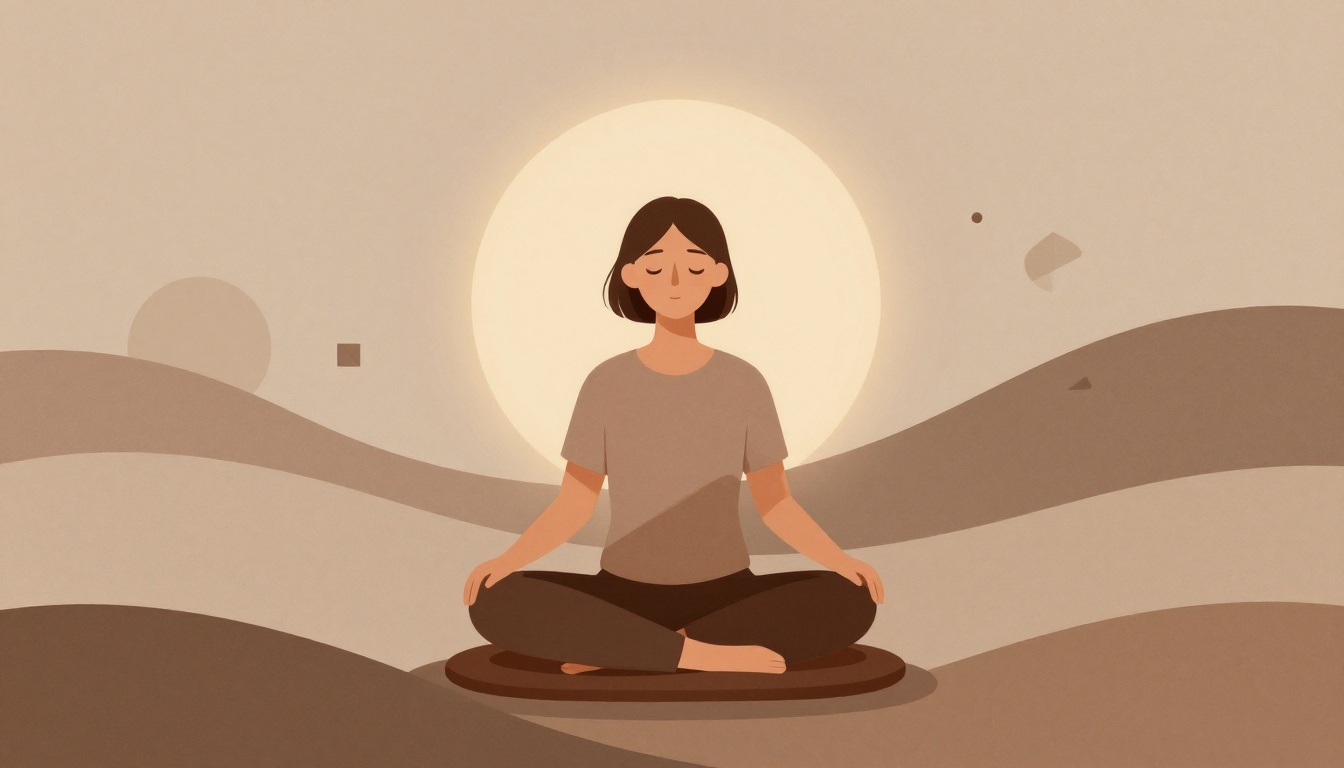
You know mindfulness could help you feel calmer and more focused, but finding time feels impossible. The good news: research shows that just 10 to 15 minutes a day is enough to make a real difference. Consistency matters more than duration, so a short daily practice can be more effective than occasional longer sessions. Here’s how to build a sustainable 10-minute mindfulness habit, step by step.
Which of the following is a key principle of starting a daily mindfulness practice?
Select one answer.
Why 10 minutes works
Mindfulness is the practice of paying attention to the present moment without judgment. It helps reduce stress, improve focus, and enhance emotional well-being. Studies show that mindfulness-based treatments can reduce anxiety and depression, and may even lower blood pressure. Even a few minutes a day can shift how you respond to daily pressures.
A 10-minute practice is realistic for most people. It’s short enough to fit into a busy morning or lunch break, yet long enough to settle your nervous system. As one Harvard researcher notes, you don’t need a formal program—just 10 to 15 minutes of daily practice, with consistency as the key.
Your 10-minute daily routine
Follow this simple structure. Adjust the timing to suit your needs, but keep the total around 10 minutes.
1. Settle in (1 minute)
Find a comfortable seated position. You can sit on a chair with feet flat on the floor or on a cushion. Drop your shoulders, relax your jaw, and unfurl your brow. Take one or two deep breaths to let go of whatever came before.
2. Focus on your breath (5 minutes)
Close your eyes or lower your gaze. Bring your attention to the sensation of breathing—the air moving in and out, the rise and fall of your belly. When your mind wanders (and it will), gently bring it back without judgment. This is the core of mindfulness: noticing and returning.
3. Body scan (3 minutes)
Shift your attention to your body. Notice any areas of tension—your shoulders, jaw, or hands. You don’t need to change anything; just observe. This reconnects you with physical sensations and helps you catch stress early.
4. Close with awareness (1 minute)
Let your attention expand to the whole room. Notice sounds, light, and the feeling of sitting. Then, slowly open your eyes and carry this awareness into your next activity.
Making it a daily habit
Consistency is what turns a practice into a habit. Here are practical ways to stick with it:
- Pick a fixed time. Morning, lunch break, or before bed—choose a time that works and set a reminder.
- Start even smaller if needed. If 10 minutes feels daunting, begin with 5 minutes or even 1 minute. The goal is to show up daily.
- Use guided meditations. Apps or online recordings can provide structure, especially for beginners. Keep one on your phone for easy access.
- Integrate mindfulness into daily tasks. Focus on sensations while eating, walking, or washing dishes. This reinforces the skill throughout the day.
- Be patient with yourself. Your mind will wander—that’s normal. Each time you notice and return, you’re strengthening your attention.
What to expect
Don’t expect immediate calm. In the beginning, you might feel restless or even more aware of your busy thoughts. That’s part of the process. Over time, regular practice helps you become less reactive and more present. You’ll start to notice patterns in your thinking and gain the ability to step back from unhelpful thoughts.
Mindfulness is not about clearing your mind—it’s about observing your thoughts and feelings without getting caught up in them. This shift in perspective can reduce stress, improve focus, and increase emotional resilience.
Quiz: Test your understanding
Which of the following is a key principle of starting a daily mindfulness practice?
- A) You need at least 30 minutes per day to see benefits
- B) Consistency matters more than duration
- C) You must clear your mind of all thoughts
Correct answer: B) Consistency matters more than duration. Research shows that even 10–15 minutes daily, practiced consistently, can be effective.
How the Featured Expert Can Help
Ben Duffy is a licensed Colorado psychotherapist who blends Western psychology with Eastern wisdom traditions. He offers 1:1 psychotherapy, life coaching, and spiritual mentorship, using trauma-informed approaches like IFS, gestalt, and somatic therapy. His work helps clients achieve freedom, connection, and agency. To learn more or book a session, visit Ben Duffy | Psychotherapy & Spiritual Liberation.